

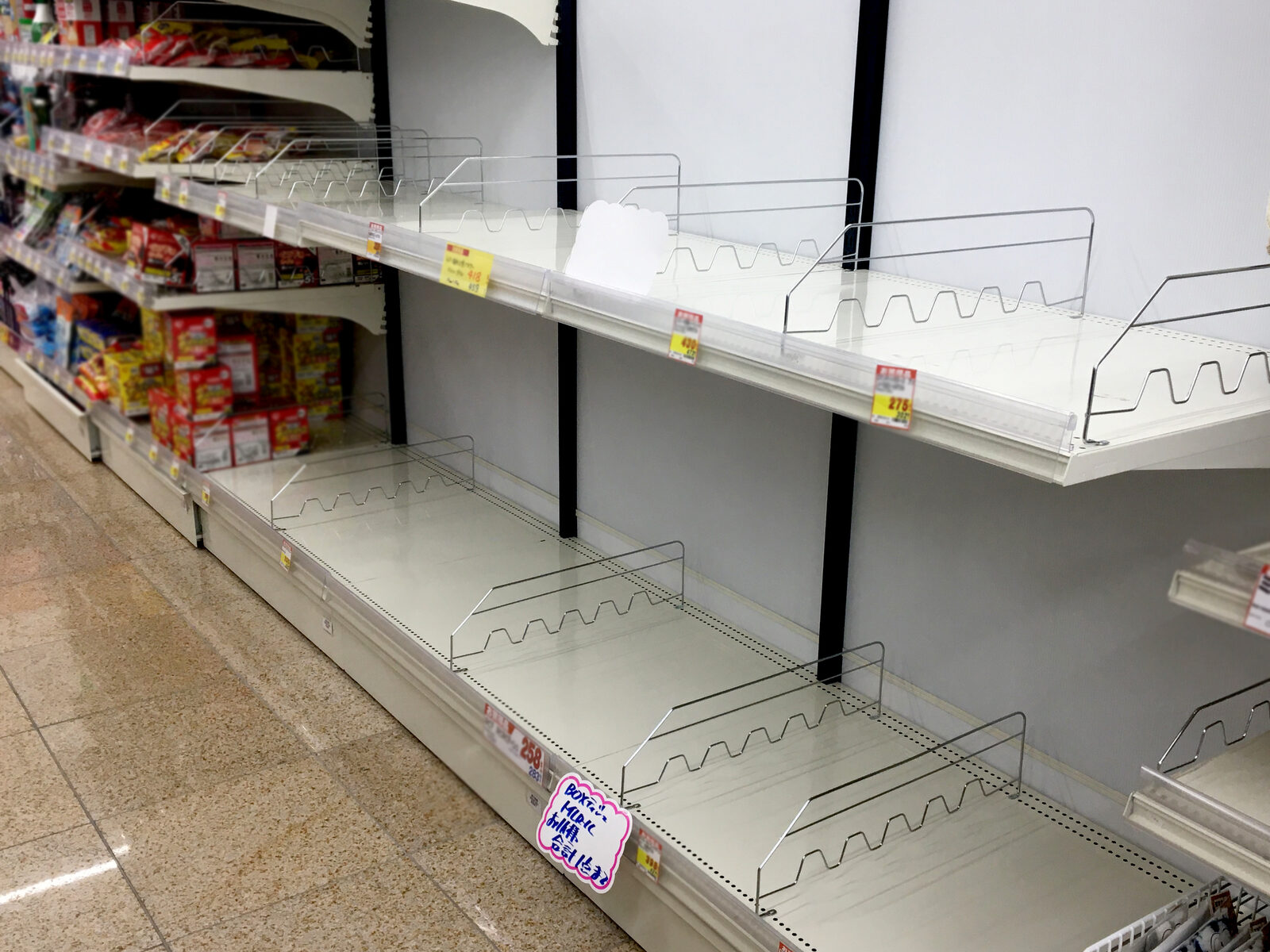
Every maker has now announced a revision
Nearly all interior materials makers have gone ahead.
| Maker | Effective | Increase | Covers |
|---|---|---|---|
| Sangetsu | Orders from 1 July | 18–30% | Wallcoverings, flooring, fabrics, ancillaries, adhesives |
| Toli | Orders from 27 July | 20–30% | Vinyl flooring, carpet, wallcoverings, curtains, ancillaries |
| Suminoe | Orders from 1 July | 15–30% | Carpet tile, vinyl floor tile, curtains, adhesives |
| Lilycolor | Shipments from 29 June | 15–30% | Wallcoverings, curtains, flooring, ancillaries, adhesives |
| Aica Kogyo | Shipments from 1 June / 29 June | 10–30% / 8–30% | Melamine panels / wallcoverings and fittings |
Timber-based products are the same. Noda raised flooring 15% on orders from 1 June (30% for HiBest Wood structural panels); Toyo Tex raised flooring by more than 10% and trim by more than 20% on shipments from 22 June.
Switching maker is no longer a way around it. We wrote last time that it helps not to lock yourself to a single product code. That still holds, but if you substitute an equivalent product today, expect the price band to be much the same.
What is stopping work now is supply, not price
This is the main thing we wanted to pass on.
Before the price revision, on 24 March, Sangetsu had already given notice that supply volumes could fall and that lead times could change or slip. That has now happened.
- Aica Kogyo has suspended new orders for sealer and tile adhesive since 27 April
- DAIKEN has given notice that order quantities may be adjusted, or new orders suspended, for some trim components
- Several makers are allocating stock based on past purchase volumes
When the ancillaries stop, the whole job stops. You can have the wallcovering and still not hang it without paste.
Restoration work is judged on the number of days between a tenant moving out and the next one moving in. If materials are a week late, the property sits empty for that same extra week. One week of rent against a few percent on materials — you do not need to run the numbers.
Crude oil keeps swinging, not falling
We get asked: crude came down, so prices should ease soon, shouldn’t they?
Here are the figures. OPEC basket price, weekly average, per barrel.
5 July    $72.91
12 July   $74.41
19 July   $83.23
26 July   $93.80  ← July peak
2 Aug     $88.19
9 Aug     $78.86
16 Aug    $84.90  +7.66% on the week
This is not a downward trend. It rose almost 30% through July, fell over the first two weeks of August, and has turned back up. A market that moves $15 in a fortnight.
And even if it did keep falling, material prices would not come back quickly. Three reasons.
- It takes time to reach us. Crude → naphtha → resin → finished product. It takes roughly six months for a change in the raw material market to show up in product prices. What is shipping now was made from feedstock bought when prices were high.
- The yen is still where it was. In mid-August the dollar/yen rate sat at 158–160. When the revisions were announced in April it was also 158–160. The yen has not weakened further, but it has not recovered either. A fall in dollar terms does little in yen terms.
- Price cuts are not announced. Increases come with a letter. Reductions almost never do. Even when the market turns, price lists tend to stay where they are.
Sangetsu, in fact, stated in its revision notice that further increases are possible if raw material costs rise again. The risk is weighted upward, not downward.
The effect on quotations is as we estimated
Last time we wrote that a 25% rise in material costs works out at roughly 8–10% across a whole job. That still holds. Materials account for 30–40% of a restoration job, and labour and overheads were not part of these revisions.
One addition. This round has raised the ancillaries too — adhesive, skirting, filler — so the smaller the job, the higher the percentage tends to come out. On something like a single-room wallcovering repair, materials make up a relatively larger share of the cost.
If you are about to request a quotation
Check the date on the quotation. Anything issued before the end of June is almost certainly at pre-revision prices. Order from it and there will be a difference to settle.
For work starting later, confirm again nearer the time. While the makers have not ruled out further revisions, a price for work several months out cannot be fixed.
And secure the materials before you worry about the price. If the product code is decided, checking stock and lead time comes first. If you don’t reserve it, it won’t arrive in time — that is where we are. Choosing materials you can actually get will cost you less than chasing a quotation that is a few percent cheaper.
Where a job straddles a revision, we say so and reissue the quotation. We do not raise prices quietly. That has not changed since last time.
Finally
The story broke in April, the increases landed in July, and by August it had dropped out of the news. The price lists have not gone back, and adhesive orders are still suspended.
Telling you what we know and what we don’t, separately. That is what we can offer. We do not know when oil will settle. We can tell you, job by job, what is coming in and what is not.
Sources
- Notice of price revision|Sangetsu (announced 13 April 2026)
- Impact on supply from the situation in the Middle East|Sangetsu (24 March 2026)
- Notice of price revision|Toli (announced 6 April 2026)
- Notice of price revision|Suminoe (announced 23 April 2026)
- Lilycolor raises prices on wallcoverings and curtains|Reform Online
- Aica Kogyo raises prices on melamine panels and wallcoverings|Reform Online
- Summary of order limits and price rises from the naphtha shock (June 2026)
- Crude oil price history (WTI / Brent / Dubai / OPEC basket)|Shindenryoku Net
- Reference rates for currency option exercise, April 2026|MUFG Bank
- Dollar/yen outlook, 17 August 2026|Gaitame.com